
Magnetic Inertia Jet Engine
Zero-contact magnetic bearings, regenerative power recovery, and cryogenic thermal control unite to deliver a jet engine platform that scales from advanced UAVs to hypersonic aircraft with unrivaled efficiency.
Mach 3.2+
Supersonic envelope via MI-SonicX 3300 configuration.
12,000 lbf
Magnetically suspended thrust capability without lubricant drag.
Multi-sector
Optimised for defense, commercial aviation, and autonomous UAVs.
Integrated propulsion intelligence
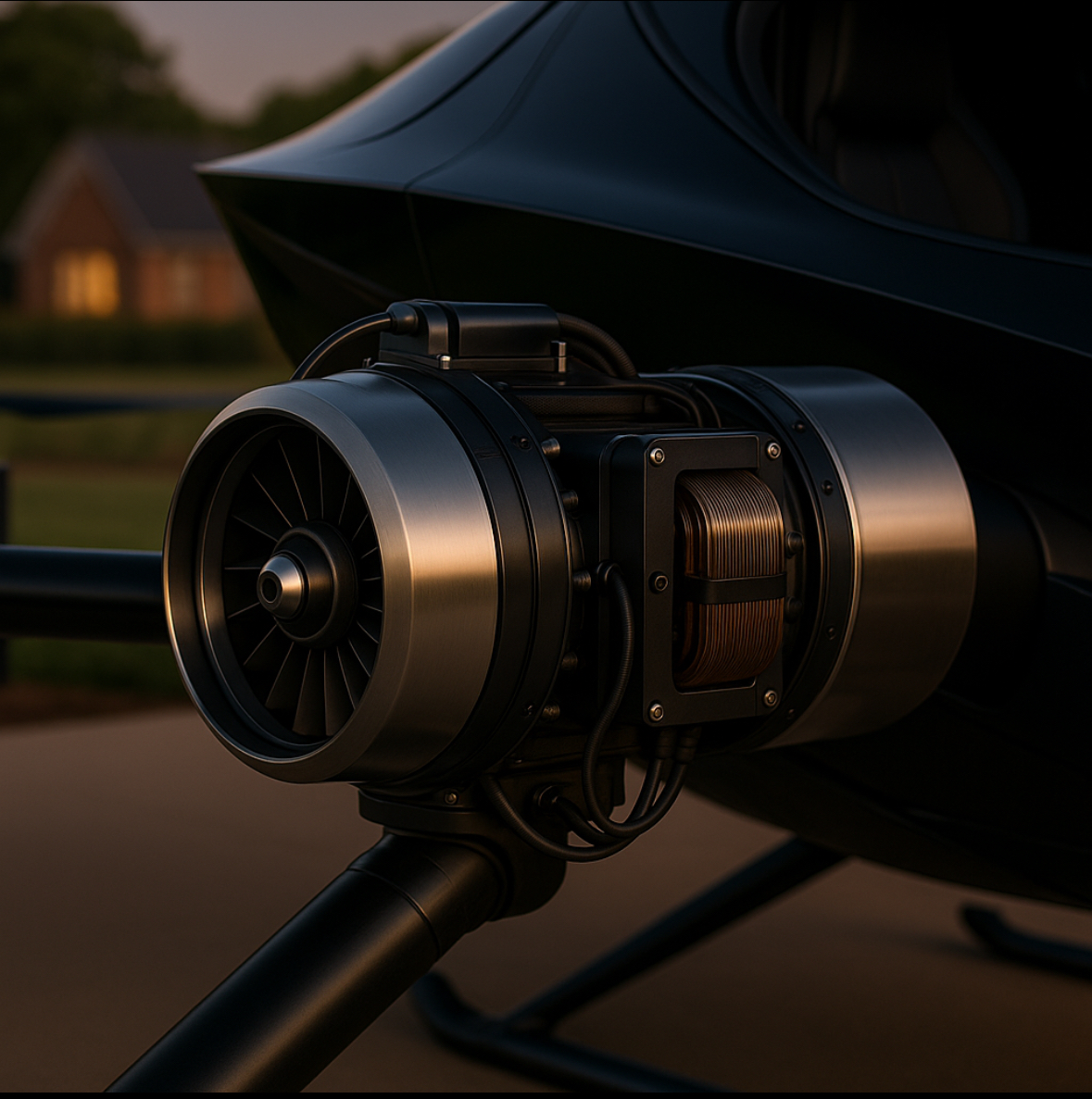
- Active magnetic suspension ensures frictionless spin at extreme RPM.
- Cryogenic loop maintains superconducting magnet integrity.
- Regenerative conversion feeds battery reserves for onboard systems.
- Adaptive control suite balances thrust, stability, and energy draw.
Field-ready drone integration visuals.
Mission photography highlights how the Magnetic Inertia Jet Engine adapts from compact UAV testbeds to long-endurance reconnaissance drones.
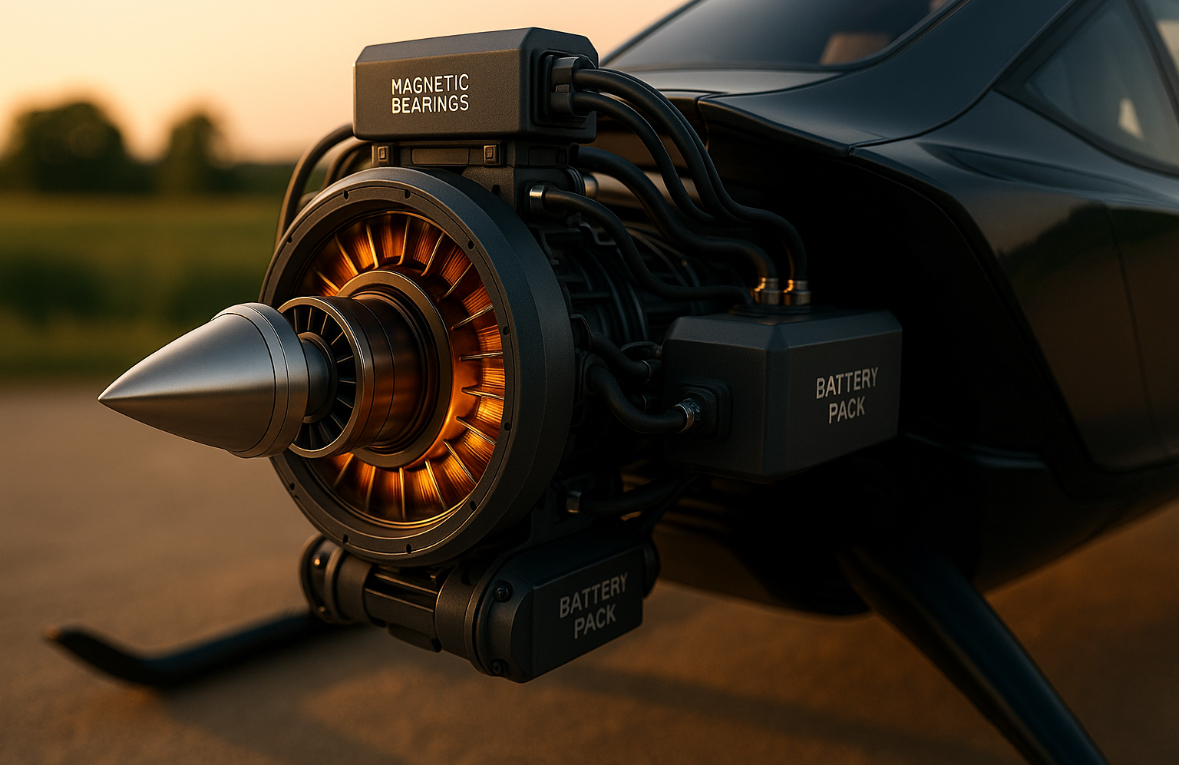
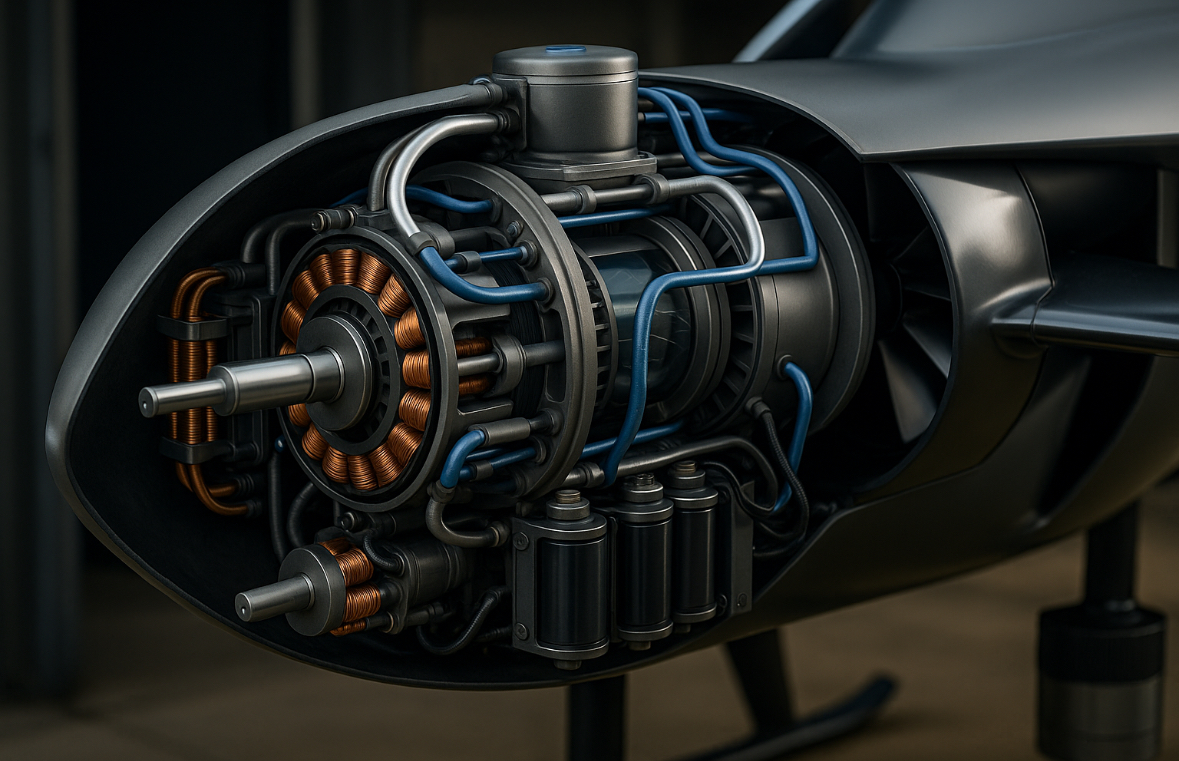
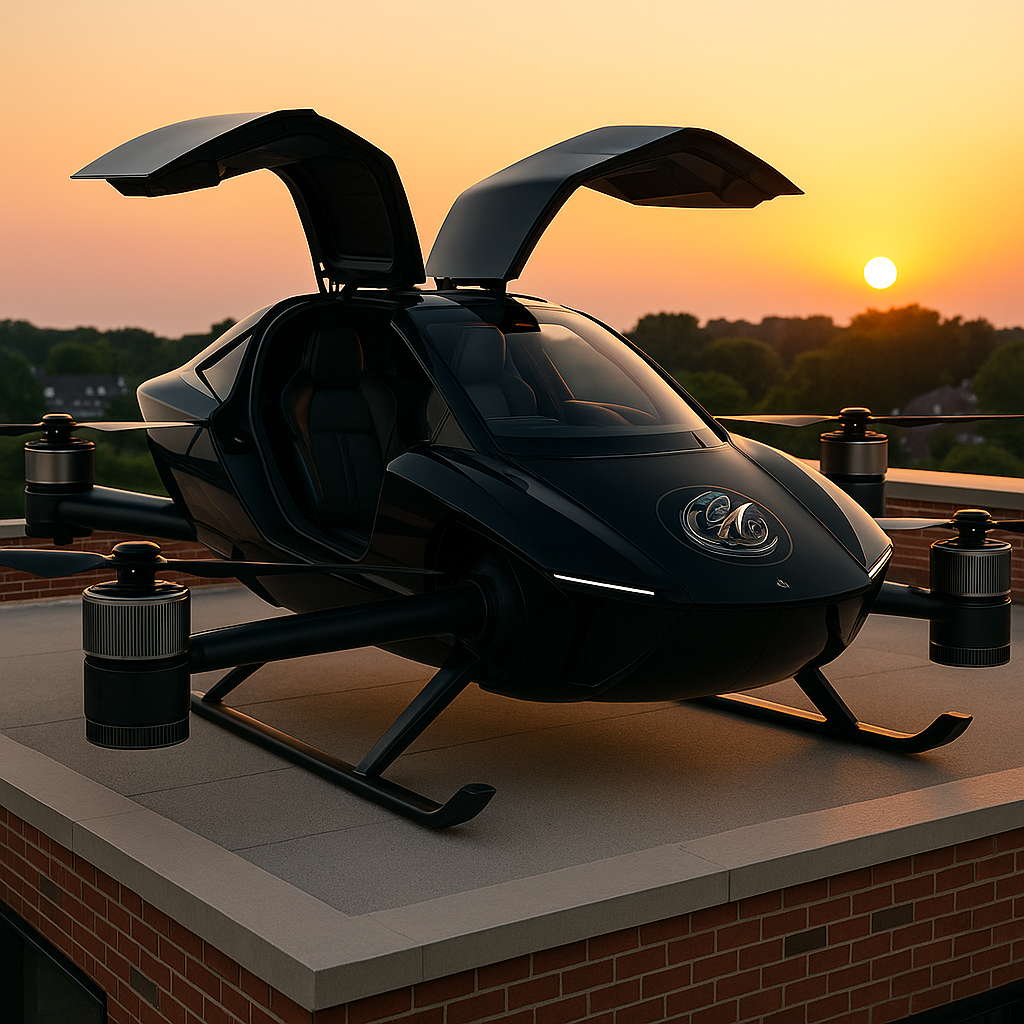
From rotor core to power electronics, every element is engineered for sustained precision.
The Magnetic Inertia Jet Engine blends aerospace-grade composites, superconducting fields, and digital control for unmatched performance in compact and full-scale propulsion programs.
Propulsion stack
- Magnetic main shaft isolates vibration and mechanical wear.
- Composite turbine stages sustain supersonic airflow dynamics.
- Embedded control unit orchestrates bearings, thrust, and diagnostics.
Energy & thermal systems
- Cryogenic cooling stabilises superconductors and prevents heat creep.
- Integrated storage banks buffer regenerative output for avionics.
- Fire suppression and redundant sensors safeguard mission uptime.
Deployment readiness
- Modular platform scales from UAV propulsion pods to crewed aircraft.
- Manufacturing roadmap aligns with aerospace-grade tolerances.
- Investment-backed partnerships accelerate certification pathways.
Precision options tailored for drone fleets, commercial trainers, and hypersonic defense.
| Model | Application | Top speed | Thrust class | Estimated weight | Target market cost |
|---|---|---|---|---|---|
| MI-MiniJet 200 | Drone/UAV | Mach 0.8 (980 km/h) | 150–300 lbf | 48 kg | $450,000–$700,000 |
| MI-Hybrid 800 | Commercial/Trainer Jet | Mach 1.8 (2,200 km/h) | 2,000–4,000 lbf | 460 kg | $3.0M–$5.0M |
| MI-SonicX 3300 | Military/Supersonic | Mach 3.2+ (3,900 km/h) | 8,000–12,000 lbf | 940 kg | $12.0M–$18.0M |
Core components underpinning the Magnetic Inertia propulsion assembly.
| Component | Unit cost (USD) | Quantity | Total cost (USD) |
|---|---|---|---|
| Main Shaft | $25,000 | 1 | $25,000 |
| Magnetic Bearings | $12,500 | 2 | $25,000 |
| Electromagnets | $1250 | 4 | $5,000 |
| Superconducting Magnets | $6,250 | 4 | $25,000 |
| Turbine/Compressor Blades | $1000–$1500 | 20–30 | $20,000–$30,000 |
| Rotor Housing | $20,000 | 1 | $20,000 |
| Control Unit | $1250 | 1 | $1250 |
| Power Supply System | $625 | 1 | $625 |
| Energy Storage | $3,750 | 1 | $3,750 |
| Cryogenic Cooling System | $37,500 | 1 | $37,500 |
| Sensors | $125 | 6 | $750 |
| Fire Suppression | $5,000 | 1 | $5,000 |
Capital roadmap for prototyping, certification, and full-rate production.
$250k – $1250k
High-grade alloys, superconductors, composites, and control electronics.
$625k – $1250k
Precision fabrication for magnetic housings and turbine geometry.
$375k – $750k
Skilled integration teams for cryogenic, electrical, and propulsion systems.
$250k – $500k
Dyno, vibration, and flight simulations to qualify performance envelopes.
$1250k – $5M
Continuous upgrades to superconducting materials and AI control loops.
$525k – $1375k
Custom fixtures, certification tooling, and secure global distribution.
Total program outlook
$3.5M – $10.0M per full-scale engine inclusive of manufacturing and validation, with a $4.5M – $13.0M suggested market price covering service and performance guarantees.
Partner with Ioncore to redefine clean propulsion economics.
Capital profile
- Pre-Series A round targeting strategic aerospace and defense partners.
- Valuation range positioned between $75M – $113M.
- Minimum entry commitment of $1,250,000.
- Projected 5x ROI within five years through contracted programs.
Strategic exits
- Intellectual property licensing for established aerospace OEMs.
- Co-development agreements with global defense contractors.
- Embedded propulsion modules for autonomous and hybrid aircraft.
- Ioncore service alliances sustaining lifetime engine support.
